
Though they Have Been Silenced, the Arches Still Tell their Story
The Arches Story in Hazel Sheffiled’s New Book Frontierlands Pushes Forward our Manifesto for a New Economy for Social, Economic, and Environmental Justice. New blog by EETG Co Director Krissie Nicolson.
From Campaigning to Permanent “Power Together”
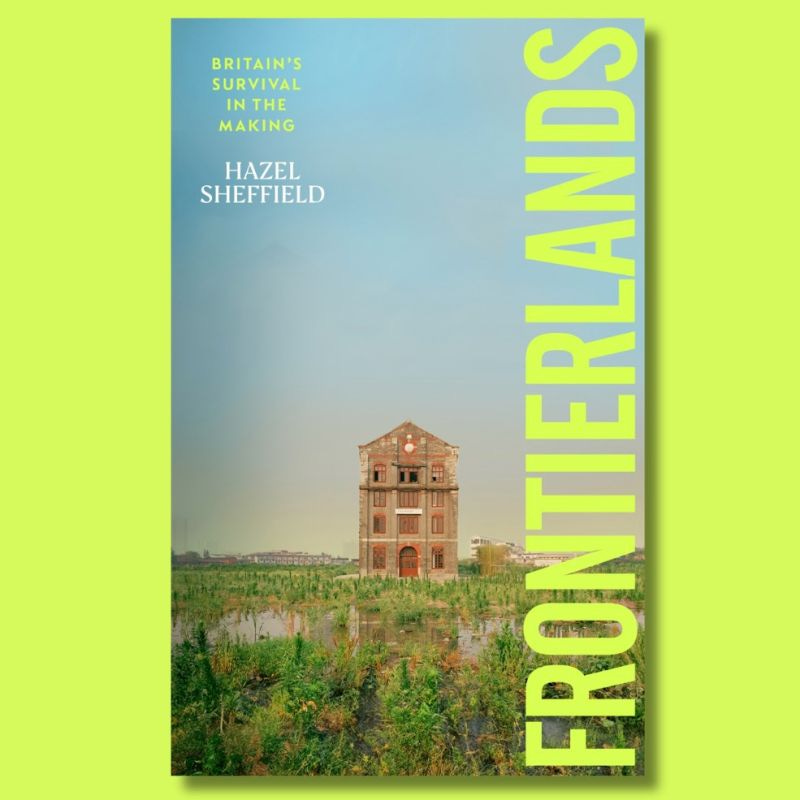
Last week, my East End Trades Guild Co-Director, Len Maloney, and I attended the launch of Frontierlands at the Observer Building in Hastings. Author Hazel Sheffield has dedicated a chapter of her new book to the work of the Guild, documenting a struggle for space that is far from over. While her pages celebrate the resilience of our members, they also serve as a sharp indictment of the senselessness of TfL’s public policy. Even as physical premises are being silenced, the story is growing louder—thanks to Hazel’s investigative dedication and the vital, ongoing work of local journalism.
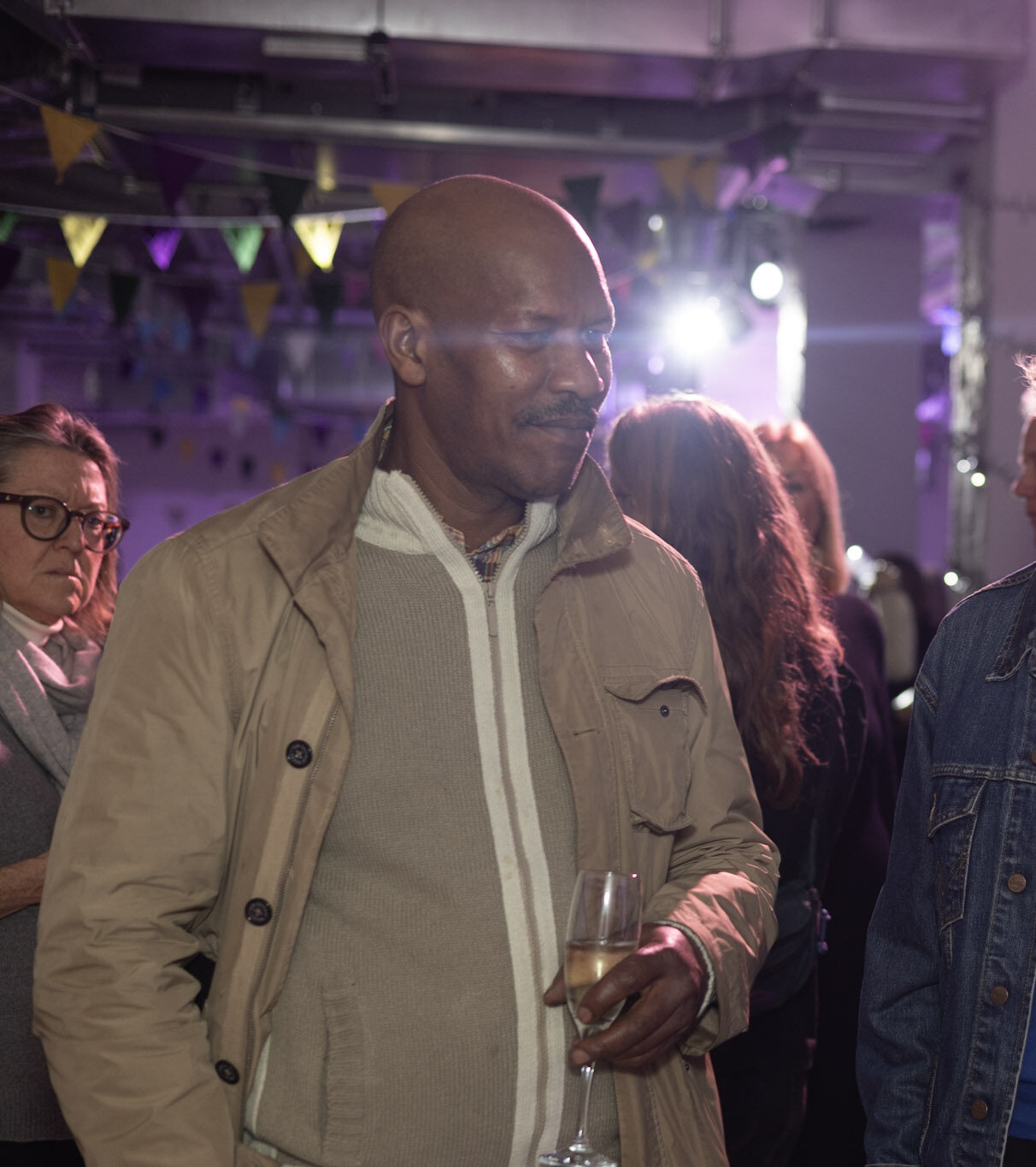
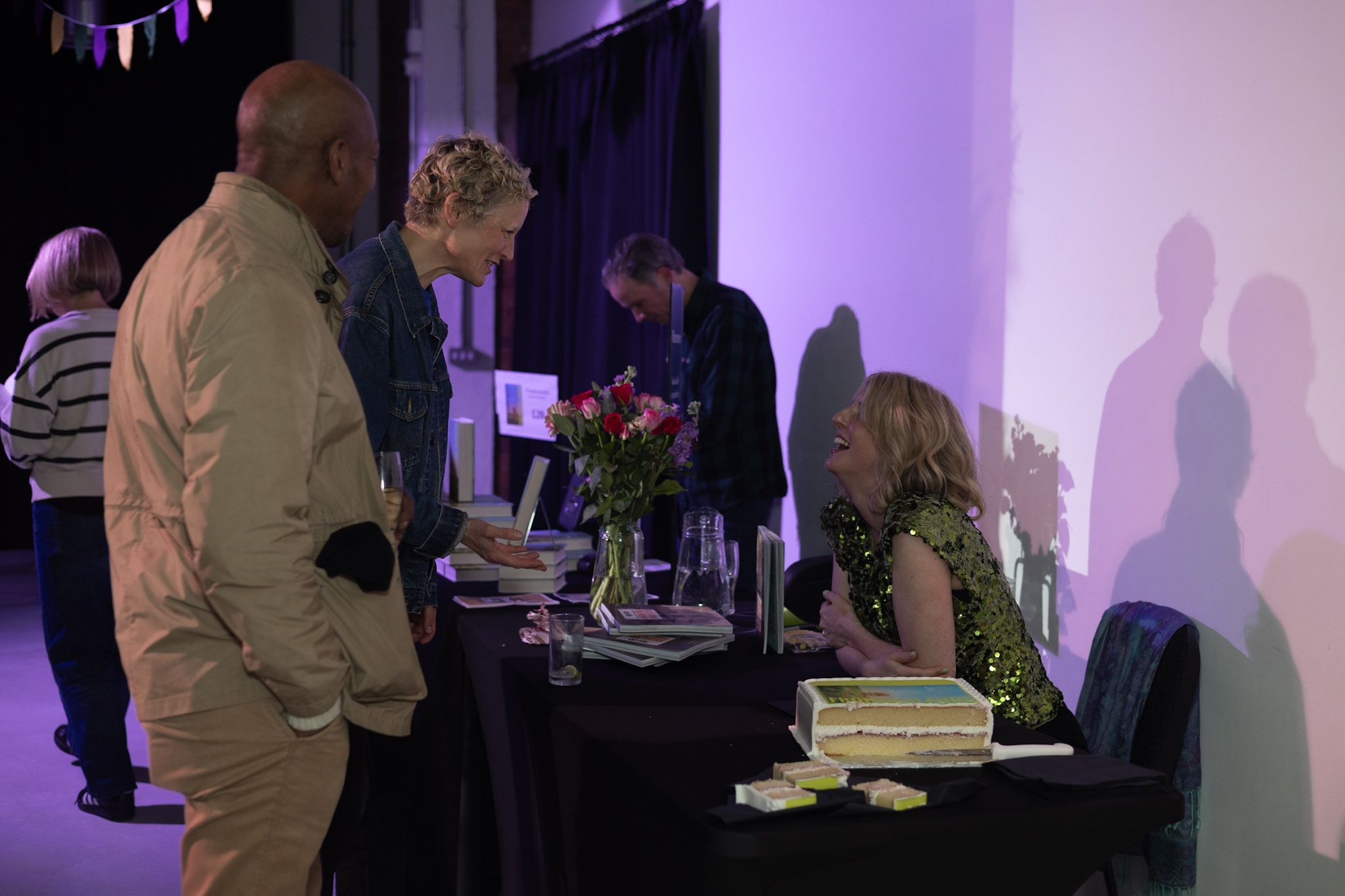
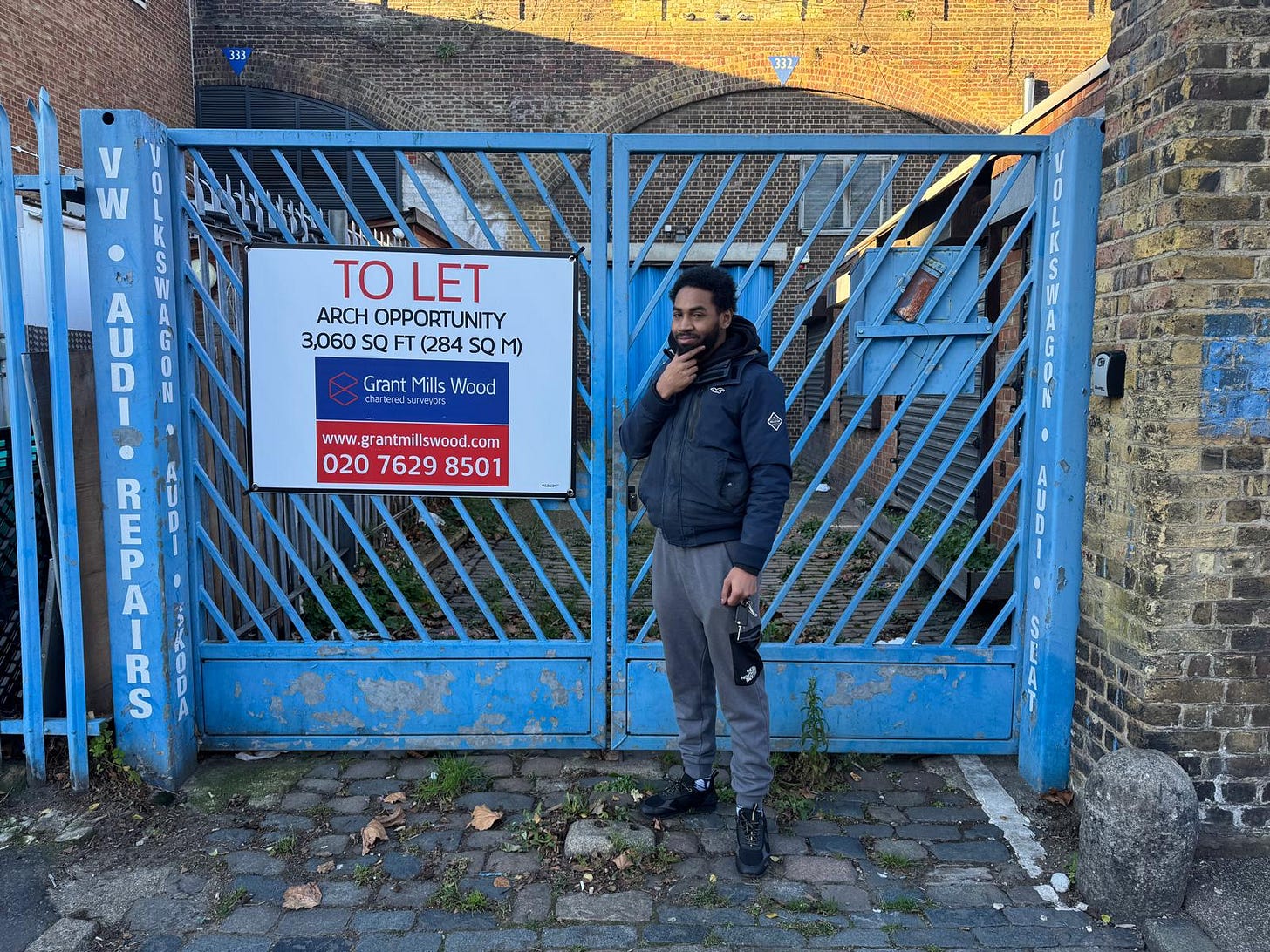
Len’s workshop on Stean Street has been silent since November 2024; neighbouring Dunstan Garage has been vacant for over five years. As I wrote in our recent 2025 report, the trauma imposed by market rents is simply swept aside. These hollowed-out arches are now ghosts of the community they once served. For a generation of local young people, Len’s presence was living proof of what was possible; his workshop was an open door in a city that often feels closed. By leaving these spaces to gather litter, Places for London is sending a chilling message to young people in Hackney: that a spreadsheet’s “paper value” is more important than the physical presence of a mentor who looked like them and believed in them.
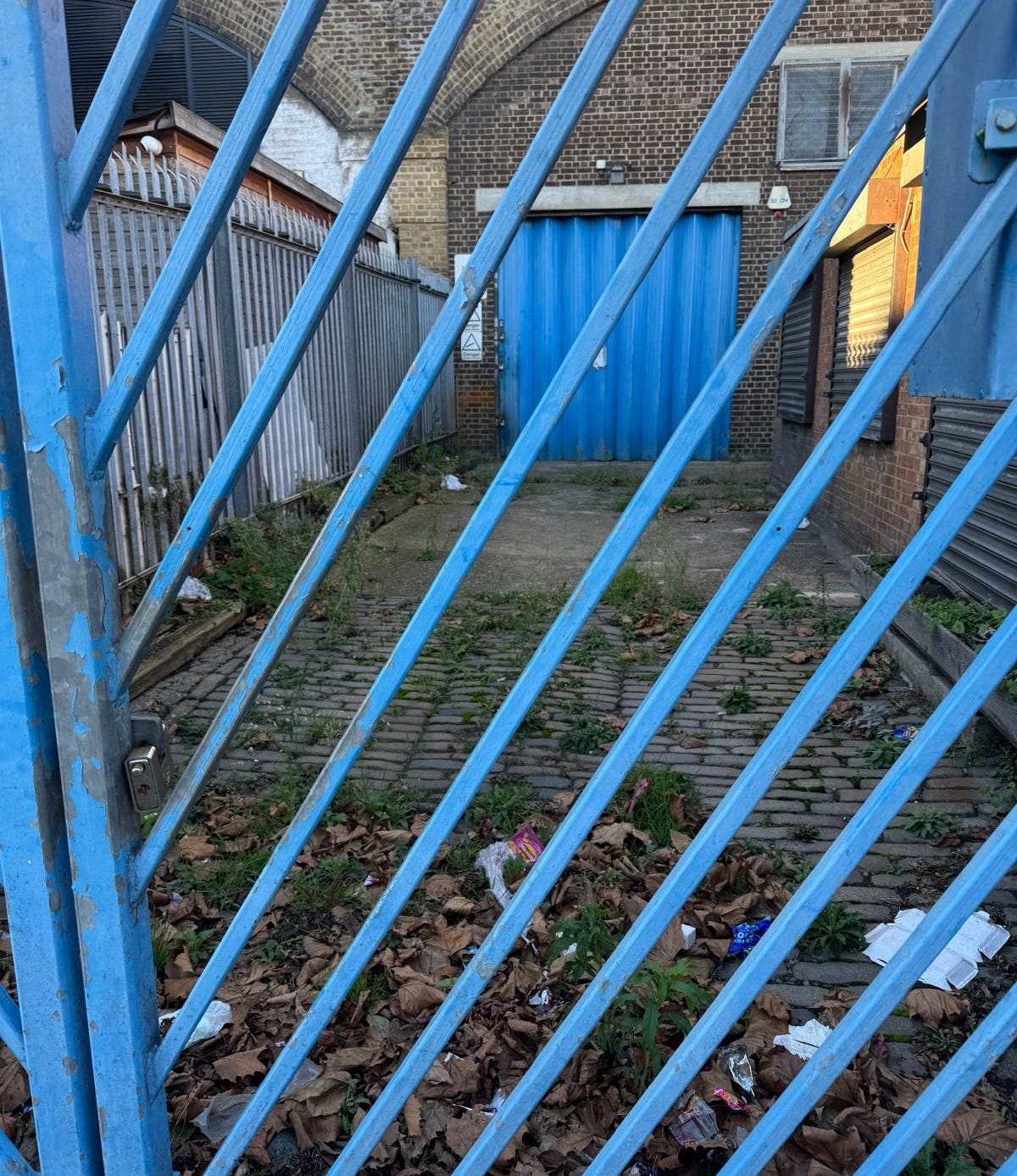
Len wasn’t just a tenant; he was the human connective tissue that supported the neighbourhood in its own aspirations. Now, where there was once the noise of skills development and camaraderie under the steady hand of a trusted local leader, there is only empty silence. For the young people who grew up under Len’s wing, those empty arches are a visible scar—a reminder that Transport for London and its subsidiary would rather have a derelict asset than a thriving Black-owned business. They see a void where there was once the “life-affirming infrastructure” that Juliet Can spoke of at the Guild’s recent Meet the Members event last year.
The Corporate Machinery of Displacement
We now know this silence isn’t an accident; it is the sound of a spreadsheet. Our research into Places for London (PfL), conducted by Trinava Consulting, reveals that this hollowed-out landscape is a symptom of a calculated financial strategy. Since becoming “financially independent” of TfL in April 2022, PfL has been tasked with supporting TfL’s “financial sustainability.” As Alexia Thompson recently exposed in Putney News, this is a systemic revenue drive. From Haggerston to Putney, PfL’s “Our Arches Plan” aims to more than double rental income—climbing from £12m to a projected £28m by 2032.
This drive for profit has come at a devastating cost to our communities. We have seen PfL break their promise on the Cable Street site, stalling London CLT’s vital plans for community-led housing, wasting 1 million in investment on due diligence and planning. The project would have created 41 genuinely affordable homes on a publicly owned site that has remained fenced off and dormant for more than half a century.
We see it, too, in the recent closure of Brixton News, where a 300% rent hike has silenced a local institution. They are no longer just landlords; they are a profit-driven engine designed to fill the funding gap left by central government. While other parts of London’s transport network struggle, PfL is a high-performer, one of the few TfL divisions consistently in surplus. In FY24/25 alone, it boasted a 24% net profit margin, generating a £25m surplus. This is a company slushing in money, making profit margins strong enough to pay dividends to its parent company and maintain high levels of cash—£62m as of March 2024.
This status quo does more than just displace businesses; it actively deepens division. When a state entity adopts a model of extractive profit maximisation, it provides fuel that compounds racial injustice and economic inequality. By prioritising “Estimated Rental Values” (ERV) to protect paper valuations, PfL creates a perverse incentive to keep arches empty rather than lower the rent and “devalue” the portfolio. This “Valuation Bind” effectively prioritises theoretical wealth for the state over the actual survival of Black-led community assets and small businesses more broadly. Meanwhile, as community wealth builders are pushed out, PfL’s top six directors received £1.4m in total remuneration last year—equivalent to 6% of the company’s entire annual surplus. Treating our streets as collateral for an operating surplus is a failure of stewardship. We at the East End Trades Guild refuse to be passive witnesses to this economic injustice.
Delivering the Manifesto for the New Economy
This is our line in the sand. We are moving from a campaign to an active legal organisation. This transition gives us the power to deliver our Manifesto for the New Economy, built on the belief that we are stronger when we stand together.
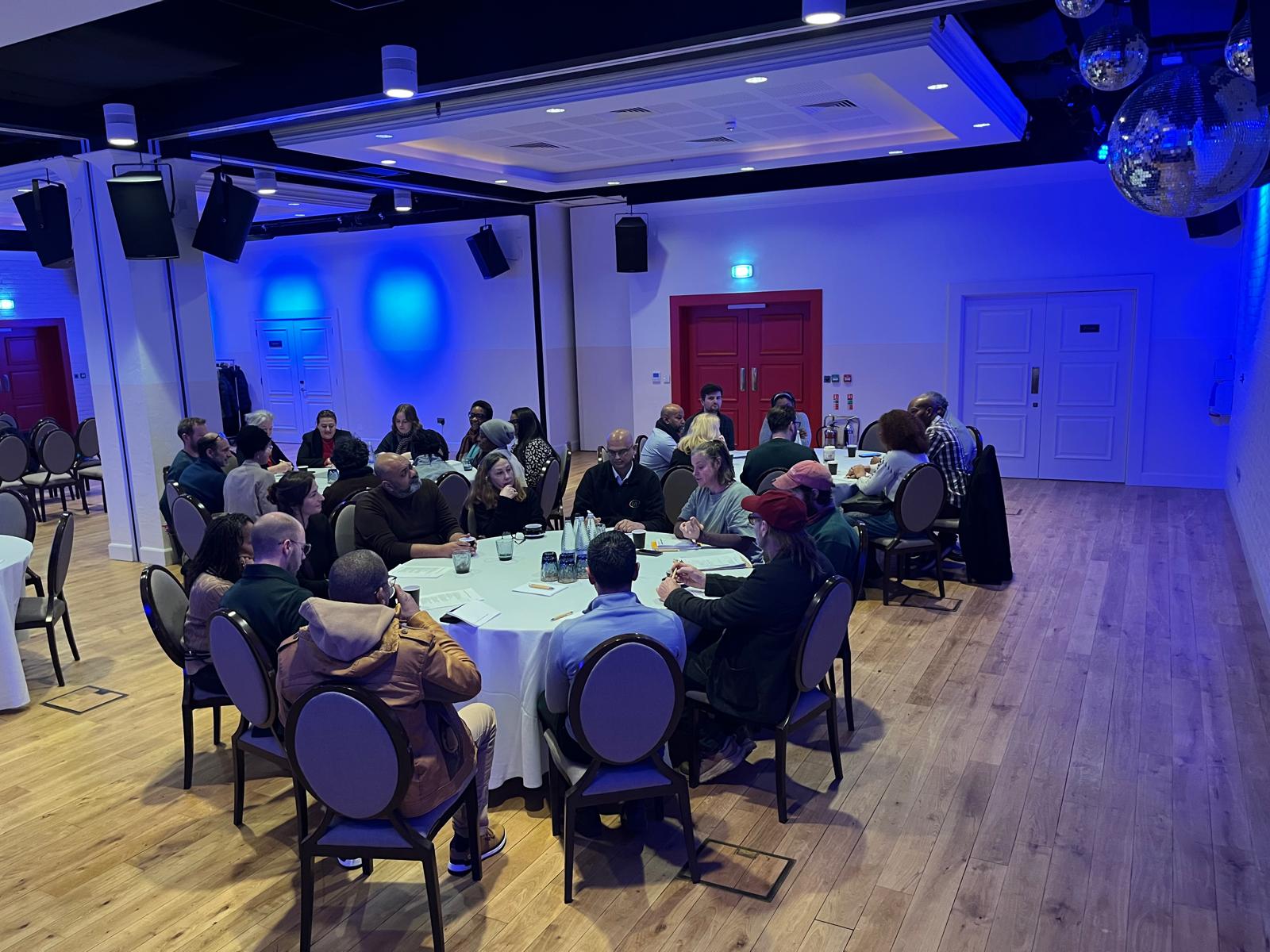
Through the London Trades Guild CLT—now a fully registered Community Benefit Society, with our first AGM being held this Wednesday, 18th February at Basing House—we are transforming land into permanently affordable, community-owned work and play space. We are also calling TfL to incorporate Social Value Leases that account for the social, economic, and environmental value a business brings—because you can’t measure the value of a mentor like Len on a balance sheet. And we are building real Community Wealth by connecting our members with local buyers at events to ensure wealth stays where it belongs: in the hands of the people who created it.
The Global Lineage of the Solidarity Economy
We aren’t just dreaming of a different London; we are joining a global lineage of the solidarity economy. The solidarity economy is a movement that prioritises people and planet over blind profit. It is an economic framework rooted in social justice, democratic control, and mutual aid—moving away from the extractive model of corporate landlords and toward regenerative systems where wealth and resources stay within the community.
We look to the Rondo Community Land Trust in Minnesota. Rondo was established as a Black-led response to restore community wealth after the 1960s destruction of their historic neighbourhood by the I-94 highway. In 2017, Rondo CLT became the first community land trust in Minnesota to apply the model for commercial uses. Today, that permanent infrastructure of land ownership is part of the wider ecosystem that has allowed Minnesota to meaningfully respond to and resist the pressures of a fascist government.
Land ownership is the difference between being a “tenant at will” and having the power to remain, set down roots, and give small businesses and social enterprises the stability they need to allow towns and cities to prosper.
Promises have been made by the Mayor of London and his Deputy, Howard Dawber, to work with us on our innovative CLT model, and our message to them is simple: The status quo is a form of violence. London needs a shield, and public landlords should be leading by example. We are no longer just asking for space; we are organising to own it.
Help us build an economy where people and place come before profit. If you run a small business or social enterprise, join the Guild here today, and if not, join our CLT and register for our first AGM on Wednesday, 18th Feb, to hear about our recent site visit and vote for the new board!